Artikkelit
Syvähieronta ja hermoreseptorit – näin se lievittää lihasjännitystä
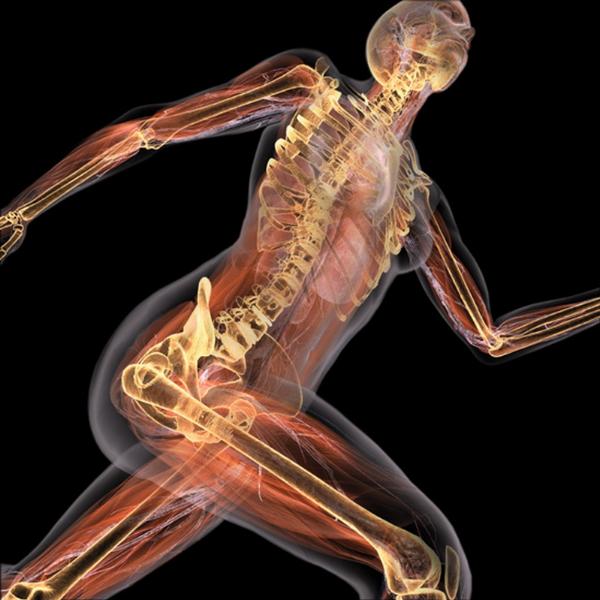 Syvähieronta on tehokas terapia, joka keskittyy lihasten syviin kerroksiin, mukaan lukien faskiaan ja muihin tukirakenteisiin. Se on erityisen hyödyllinen kroonisen kivun, lihasjännityksen ja jäykkyyden lievittämisessä. Syvähieronnan terapeuttinen vaikutus perustuu sen kykyyn vaikuttaa hermoreseptoreihin, mikä edistää rentoutumista ja kivunlievitystä.
Toisin kuin perinteinen hieronta, joka keskittyy pinnallisiin lihaksiin ja tähtää rentoutumiseen, syvähieronta kohdistuu lihasten syvempiin kerroksiin. Terapeutti käyttää voimakasta painetta lievittääkseen jännitystä lihaksissa ja sidekudoksissa. Tämä voi auttaa parantamaan liikkuvuutta, lievittämään lihaskipua ja vähentämään stressiä.
Syvähieronnan hyödyt ovat monipuolisia. Se voi auttaa lievittämään kroonista lihasjännitystä, parantamaan liikkuvuutta, vähentämään stressiä ja ahdistusta sekä parantamaan unen laatua. Lisäksi se voi auttaa toipumaan vammoista ja parantamaan urheilusuoritusta. Se on erityisen suosittu urheilijoiden, aktiivisten ihmisten ja pitkiä aikoja työpöydän ääressä istuvien keskuudessa.
Syvähieronta vaikuttaa hermoreseptoreihin useilla tavoilla. Ensinnäkin hieronnan aikana kohdistuva paine stimuloi mekanoreseptoreita, jotka reagoivat paineeseen ja tärinään. Tämä ärsytys lähettää signaaleja aivoihin, mikä puolestaan vähentää lihasjännitystä ja rentouttaa kehoa.
Toiseksi syvähieronta voi myös stimuloida kehon omia luontaisia kivunlievittäjiä, endorfiineja. Nämä hieronnan aikana vapautuvat aineet auttavat vähentämään kivun tunnetta ja lisäävät yleistä hyvinvoinnin tunnetta.
Kolmanneksi syvähieronta voi vaikuttaa myös autonomiseen hermostoon, joka säätelee kehon "taistele tai pakene" -reaktioita sekä "lepää ja sulata" -tilaa. Hieronnan aikana järjestelmä voi siirtyä "lepää ja sulata" -tilaan, mikä edistää syvempää rentoutumista ja stressin lievitystä.
Syvähieronnan terapeuttinen vaikutus on laaja-alainen ja perustuu sen kykyyn vaikuttaa kehon eri järjestelmiin. Tässä muutamia keskeisiä tapoja, joilla syvähieronta voi auttaa:
Lihasten rentoutuminen ja kivunlievitys: Syvähieronta keskittyy lihasten syvempiin kerroksiin auttaen lievittämään kroonista lihasjännitystä ja kipua. Hieronnan aikana kohdistuva voimakas paine auttaa rentouttamaan lihaksia, parantamaan verenkiertoa ja vähentämään lihasjännitystä.
Hermoreseptorien stimulointi: Hieronnan aikana kohdistuva paine ja liikkeet stimuloivat hermoreseptoreita, mikä voi auttaa vähentämään kipua ja lisäämään rentoutumista. Tämä voi olla erityisen hyödyllistä kroonisesta kivusta kärsiville.
Stressin ja ahdistuksen vähentäminen: Syvähieronnan rentouttava vaikutus voi auttaa vähentämään stressiä ja ahdistusta. Hieronnan aikana kehossa vapautuu endorfiineja, jotka ovat luontaisia "hyvänolon" aineita, mikä auttaa luomaan rauhallisen ja rentoutuneen mielentilan.
Unen laadun parantaminen: Syvähieronnan rentouttava vaikutus voi auttaa parantamaan unen laatua. Tämä on erityisen tärkeää, sillä hyvä uni on olennainen osa yleistä terveyttä ja hyvinvointia.
Verenkierron ja imujärjestelmän toiminnan parantaminen: Syvähieronta voi auttaa parantamaan verenkiertoa ja imujärjestelmän toimintaa, mikä edistää kuona-aineiden poistumista ja ravinteiden kuljetusta lihaksiin. Tämä voi edistää nopeampaa palautumista ja parempaa yleistä terveyttä.
Syvähierontaistunto voi olla intensiivisempi kuin tavallinen hieronta, mutta terapeutin tulisi aina työskennellä mukavuusalueesi rajoissa. Jos paine tuntuu liian voimakkaalta, on tärkeää kertoa siitä terapeutille. Älä kuitenkaan anna intensiivisyyden pelotella – monet asiakkaat kokevat syvähieronnan yhdeksi tyydyttävimmistä ja parantavimmista hieronnan muodoista.
Pätevien terveydenhuollon ammattilaisten valinnan tärkeys
Oman terveyden hoidossa koulutus ja osaaminen ovat tärkeämpiä kuin koskaan. Tässä artikkelissa olemme korostaneet, miten tärkeää on valita hieroja, jolla on pelkän tittelin lisäksi syvällistä tietoa ja taitoa, jotka on hankittu perusteellisen koulutuksen kautta.
Kuvittele, että synnytystä lähestyessäsi sinulle osoitettaisiin kätilö, joka on käynyt vain muutaman päivän koulutuksen. Tuntisitko olosi turvalliseksi ja huolehdituksi tällaisessa tilanteessa? Tai kuvittele, että olet loukkaantunut ja sinua hoitaa fysioterapeutti, joka on hankkinut koko koulutuksensa kolmen päivän kurssilla. Luottaisitko hänelle toipumisprosessisi?
Samoin, antaisitko personal trainerin, joka on hankkinut kaikki taitonsa YouTubesta, valmentaa itseäsi? Tällaiset skenaariot saattavat kuulostaa absurdeilta, mutta juuri niin voi käydä, jos valitset hierojan ilman kattavaa koulutusta.
Kaikki nämä esimerkit korostavat sitä, että terveys- ja hyvinvointialan ammattilaisten tulee olla todellisia alansa asiantuntijoita. Heillä tulisi olla koulutus ja pätevyys, jotka takaavat osaamisen ja laadun. Ja mikä tärkeintä, heidän tulisi olla suorittaneet ammatillisen tahon hyväksymän koulutuksen, joka vahvistaa heidän ammattitaitonsa ja osaamisensa.
Kun siis päätät huolehtia terveydestäsi – olipa kyse hieronnasta, lääketieteellisestä hoidosta tai personal trainingista – varmista, että valitset asiantuntijan, joka on aidosti pätevä ja luotettava. Terveytesi ja hyvinvointisi ansaitsevat vain parasta.