Trigger Point Therapy in Tallinn
📍 Service available: Tallinn (Viimsi Hospital, Ravi tee 4) · Pärnu (Rüütli 47)
What are Trigger Points?
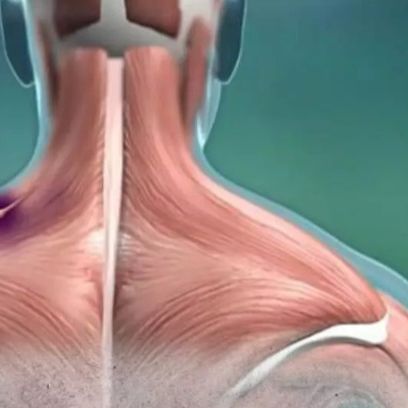
Trigger points are painful knots in muscle tissue that develop as a result of prolonged tension, overload or trauma. These small, hard areas in the muscle can cause local pain as well as referred pain to distant body areas.
The scientific explanation (Simons' integrated hypothesis) describes the trigger point formation mechanism more precisely: muscle overload causes excessive acetylcholine release at the motor endplate, leading to sustained contraction of muscle fiber sarcomeres (a "contraction knot"). This in turn compresses local blood vessels, causing local hypoxia and pain sensation[1]. Active trigger points are sensitive and cause pain even at rest, while latent ones create discomfort only when pressure is applied[1].
Which Conditions Does Trigger Point Therapy Help?
Headaches and Migraines
Trigger points in the neck and shoulder area are often the cause of headaches and migraines. A randomized trial found statistically significant improvement in headache intensity, frequency, and duration following ischemic compression[2]. A pilot study in migraine patients also showed improved neck mobility and reduced headache pain[3].
Neck Pain
Trigger points accumulated in neck muscles cause stiffness and pain. Randomized trials confirm that ischemic compression and related techniques improve neck mobility and reduce pain from active upper trapezius trigger points[4].
Back Pain
Back muscle trigger points can radiate pain to different body areas. Treating them improves posture and reduces chronic back pain.
Fibromyalgia
Fibromyalgia involves many tender points throughout the body. Trigger point therapy is often used as part of a broader, multimodal approach to fibromyalgia management, alongside other treatment methods.
Shoulder Pain
Trigger points in the shoulder and shoulder girdle limit arm movement and cause pain. Therapy restores full shoulder functionality.
Sports Injuries
Overuse-related trigger points in athletes. Therapy accelerates recovery and prevents recurring injuries.
How Does Trigger Point Therapy Work?
Pressure Technique
The therapist applies controlled pressure directly to the trigger point, starting light and increasing according to the patient's tolerance until the discomfort subsides[5]. This helps interrupt the muscle fiber's sustained contraction and reduce pain.
Stretching Techniques
After trigger point release, the muscle is gently stretched to restore its normal length and flexibility.
Massage Around Trigger Point
Gentle massage in surrounding areas promotes circulation and helps the muscle relax.
- Álvarez SD, et al. Effectiveness of Dry Needling and Ischemic Trigger Point Compression in the Gluteus Medius in Patients with Non-Specific Low Back Pain. PMC
- Effect of ischemic compression for cervicogenic headache and elastic behavior of active trigger point in the sternocleidomastoid muscle. ScienceDirect
- Myofascial trigger points therapy increases neck mobility and reduces headache pain in migraine patients - pilot study. PMC
- Efficacy of Combination Therapies on Neck Pain and Muscle Tenderness in Male Patients with Upper Trapezius Active Myofascial Trigger Points. PMC
- Responsiveness of myofascial trigger points to single and multiple trigger point release massages. PMC
ℹ️ The information on this page is for informational purposes only and does not replace professional medical diagnosis or treatment.
Benefits of Trigger Point Therapy
- Significant pain reduction or complete elimination
- Improved muscle mobility and flexibility
- Relief of muscle tension and stiffness
- Better circulation in the treatment area
- Posture correction
- Improved sleep quality
- Easier daily activities
- Reduced stress and anxiety
- Enhanced sports performance
- Prevention of recurring injuries
Treatment Process
Assessment
Thorough muscle palpation to locate trigger points
Mapping
Determining trigger point location and pain referral patterns
Treatment
Applying appropriate techniques for each trigger point
Stretching
Gentle stretching of treated muscles to restore normal length
Home Exercises
Individual exercises to maintain treatment results
Free Yourself from Painful Muscle Knots
Don't let trigger points limit your quality of life. Professional trigger point therapy can provide significant relief from the very first session.
Advanced trigger point therapy and functional techniques in Viimsi. Thanks to the quick connection along Randvere Road, we are a convenient choice for residents of Randvere and Muuga as well.
Frequently Asked Questions
Related services
Trigger point therapy is often combined with: