Artikkelit
Krooninen kantapääpiikki: iskuaaltoterapian teho kroonisen plantaarifaskiitin hoidossa
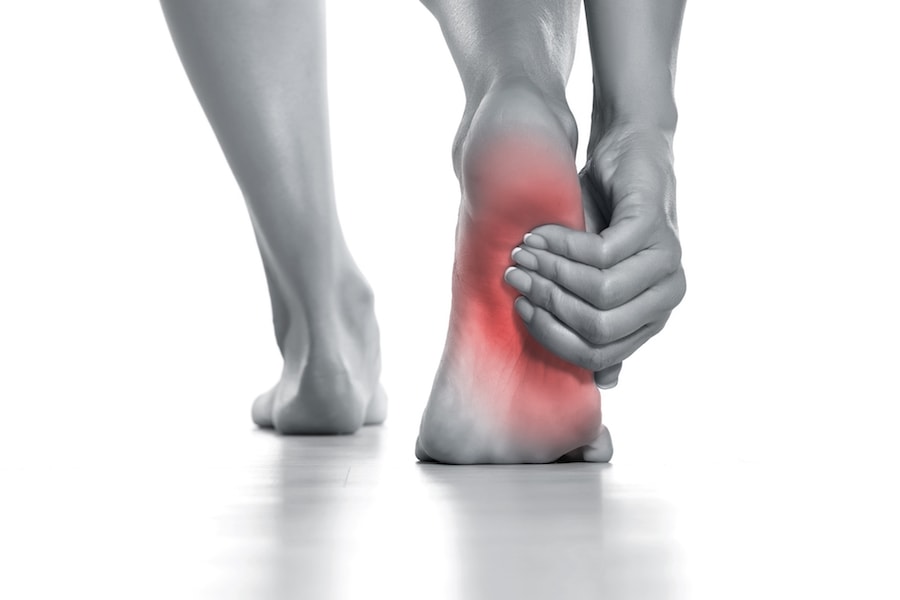
Mikä on kantapääpiikki ja miksi se on niin ärsyttävä?
Jos tunnet terävää kipua kantapäässäsi noustessasi sängystä aamulla, minkä vuoksi joudut hetkeksi seisomaan varpaillasi, syynä voi olla kantapääpiikki eli plantaarifaskiitti. Kyseessä on tila, jossa jalkapohjan jänne (plantaarifaskia) tulehtuu, ja joskus kantapään alle muodostuu jopa pieni luinen "piikki". Tällainen tila voi tehdä jokaisesta askeleesta tuskallisen – erityisesti aamuisin tai pitkän istumisen jälkeen, sillä tulehtunut sidekudos on jäykistynyt yön aikana, ja kipu on erityisen voimakasta ensimmäisten askelten aikana (Khan et al., 2008) (Wang et al., 2013).
Mitä tehdä, jos tavalliset menetelmät eivät auta?
Useimmat kokeilevat ensin pohjallisia, venyttelyharjoituksia ja kipulääkkeitä. Nämä saattavat auttaa joissakin tapauksissa, mutta usein kipu jatkuu tai palaa nopeasti. Jos tavalliset menetelmät eivät tuota tulosta, saatat tuntea, että kantapääkipu on vain siedettävä. Onneksi on olemassa nykyaikaisempia ratkaisuja – yksi tehokkaimmista on iskuaaltoterapia (ESWT), jolla on vahvaa tieteellistä näyttöä kroonisen plantaarifaskiitin hoidossa (Yalcin et al., 2020); (Babaei-Ghazani et al., 2022).
Mitä on iskuaaltoterapia?
Iskuaaltoterapia ei ole mitään pelottavaa – kyse ei ole sähköiskusta tai muusta kivuliaasta toimenpiteestä. Kyseessä on toimenpide, jossa erityinen laite lähettää kantapäähän lyhyitä ja voimakkaita "ääniaaltoja". Kuvittele, että joku naputtaisi kantapääsi sisäpuolta pienillä vasaroilla – nämä aallot saavat kehon itse taistelemaan tulehdusta ja kipua vastaan (Kudo et al., 2006); (Chew et al., 2015).
Miten se toimii?
- Parantaa verenkiertoa
- Nopeuttaa kudoksen paranemista
- Vähentää tulehdusta
- Auttaa hermopäätteitä "rauhoittumaan", jolloin kipu helpottaa (Babaei-Ghazani et al., 2022); (Yalcin et al., 2020)
Mitä tieteelliset tutkimukset kertovat?
1. Toimiiko se todella?
Useat satunnaistetut tutkimukset ja katsaukset vahvistavat, että iskuaaltoterapia on hyvin tehokas kroonisten kantapääpiikkien hoidossa. Esimerkiksi Khan ja kollegat (2008) havaitsivat, että jo kolmen hoitokerran jälkeen osallistujien kantapääkipu väheni merkittävästi ja plantaarifaskia oheni – mikä viittaa tulehduksen ja turvotuksen vähenemiseen. Kipu väheni iskuaaltoterapiaryhmässä 73,2 %, mikä oli 32,7 % enemmän kuin plaseboryhmässä, eikä merkittäviä sivuvaikutuksia ilmennyt.
Kudo ja kollegat (2006) vahvistivat myös, että iskuaaltoterapia auttaa vähentämään tyypillistä aamun "ensimmäisen askeleen" kipua, joka on yksi plantaarifaskiitin epämiellyttävimmistä oireista. Kolmen kuukauden jälkeen kipu oli merkittävästi vähäisempää kuin plasebohoitoa saaneilla.
2. Onko vaikutus pysyvä?
Kyllä, tutkimukset vahvistavat, ettei iskuaaltoterapian vaikutus ole lyhytaikainen. Esimerkiksi Yalcin ja kollegat (2020) tutkivat, miten kantapääkipu ja liikkuvuus muuttuivat iskuaaltoterapian jälkeen paitsi välittömästi hoidon jälkeen myös pidemmällä aikavälillä. He arvioivat potilaita 3, 6 ja 12 viikkoa hoitojakson päättymisen jälkeen ja havaitsivat, että kipu pysyi merkittävästi vähäisempänä vielä useita viikkoja myöhemmin. Myös päivittäinen liikkuminen ja jalan toiminta paranivat.
Pitkäaikaistutkimukset vahvistavat myös, että ESWT vähentää kipua ja parantaa elämänlaatua vielä kuukausien ajan hoidon päättymisen jälkeen (Kapusta et al., 2022).
3. Onko se parempi kuin injektiot tai muut menetelmät?
Kun iskuaaltoterapiaa verrataan esimerkiksi kortisoni-injektioihin, useat tutkimukset ovat osoittaneet, että iskuaaltoterapia voi tarjota pitkäkestoisemman helpotuksen. Esimerkiksi Chew ja kollegoiden (2015) tutkimus havaitsi, että vaikka molemmat hoitomuodot voivat vähentää kipua nopeasti, iskuaaltoterapian vaikutus kestää usein pidempään. Tämä tarkoittaa, ettei kipu palaa yhtä helposti ja potilaat voivat nauttia pysyvämmästä tuloksesta. Myös uusintahoidon tarve on pienempi kuin injektioilla, ja hoito on turvallinen myös pitkäaikaisessa käytössä.
Muutkin tutkimukset vahvistavat, että iskuaaltoterapia on tehokkaampaa kuin kortikosteroidi-injektiot tai muut varovaisemmat menetelmät, erityisesti kroonisen kivun hoidossa (Shockwave Canada, 2024); (Sun et al., 2017).
4. Onko se turvallista?
Iskuaaltoterapia on turvallinen ja hyvin siedetty hoitomuoto, jonka sivuvaikutukset ovat useimmiten lieviä ja häviävät nopeasti. Babaei-Ghazani ja kollegat (2022) vahvistavat, että toimenpiteen jälkeen hoidettu alue saattaa olla hieman aristava tai punoittava, mutta nämä merkit häviävät yleensä muutamassa päivässä. Useimmat eivät tarvitse erillistä palautumisaikaa ja voivat jatkaa päivittäisiä toimintojaan normaalisti.
Toimenpide itsessään on yksinkertainen ja nopea. Yleensä tehdään 3–6 hoitokertaa, joista kukin kestää noin 10–20 minuuttia. Toimenpiteen aikana saattaa tuntua lievää epämukavuutta, mutta useimmat potilaat kokevat sen varsin siedettäväksi – tuntemusta kuvataan usein voimakkaaksi hieronnaksi. Toimenpiteen jälkeen suositellaan jalan lepuuttamista hetken aikaa, mutta erityistä palautumisaikaa tai rajoituksia ei tarvita. Moni tuntee kivun vähentyneen ja liikkumisen helpottuneen jo ensimmäisten hoitokertojen jälkeen (Yalcin et al., 2020). Laajat katsaukset vahvistavat myös, ettei vakavia sivuvaikutuksia esiinny ja että ESWT on turvallinen myös pitkällä aikavälillä (Leão et al., 2020).
Auttaako se kaikkia?
Iskuaaltoterapia sopii erityisen hyvin niille, joiden kantapääkipu on kestänyt pitkään ja joilla tavanomaiset hoitomuodot, kuten venyttelyt, pohjalliset tai kipulääkkeet, eivät ole tuottaneet toivottua tulosta (Wang et al., 2013). Tutkimukset osoittavat, että kroonisen ja pitkittyneen kivun kohdalla iskuaaltoterapia on usein tehokkain vaihtoehto, joka auttaa vähentämään kipua ja parantamaan jalan liikkuvuutta ja päivittäistä toimintakykyä (El Molla et al., 2021).
Yhteenveto: Kannattaako sitä kokeilla?
Jos olet aiemmin kärsinyt kantapääpiikistä tai plantaarifaskiitista, tiedät, kuinka sitkeästi kipu voi jatkua. Iskuaaltoterapian kohdalla on tärkeää ymmärtää, että tämä hoito ei ainoastaan lievitä oireita, vaan edistää myös jalan sidekudoksen todellista paranemista (Khan et al., 2008). Esimerkiksi tutkimukset ovat osoittaneet, että iskuaaltoterapian jälkeen plantaarifaskian rakenne muuttuu joustavammaksi ja tulehduksen merkit vähenevät.
Lisäksi iskuaaltoterapia on yksi harvoista hoitomuodoista, joiden on dokumentoitu parantavan jalan toimintaa – ihmiset voivat palata töihin ja harrastuksiin nopeammin (Yalcin et al., 2020). Tämä on erityisen tärkeää niille, joiden elämänlaatu on merkittävästi heikentynyt kantapääkivun vuoksi. Koska toimenpide ei vaadi palautumisaikaa eikä leikkausta, se sopii hyvin aktiivisille ihmisille, jotka haluavat palata normaaliin elämänrytmiinsä mahdollisimman nopeasti (Babaei-Ghazani et al., 2022). Iskuaaltoterapia ei myöskään vaurioita kudoksia eikä aiheuta pitkäaikaisia sivuvaikutuksia, joten se sopii toistettavaksi, jos kipu palaisi ajan myötä (Chew et al., 2015).
Nykyaikaiset hoitokeskukset mukauttavat iskuaaltoterapian protokollan potilaan tarpeiden mukaan – olipa kyse erilaisesta kivun voimakkuudesta, sairauden kestosta tai elämäntavasta. Juuri yksilöllinen lähestymistapa ja tieteellisesti todistettu tehokkuus tekevät tästä menetelmästä luotettavan valinnan niille, jotka etsivät pitkäaikaista ratkaisua krooniseen kantapääkipuun (Kudo et al., 2006).
Käytetyt tieteelliset lähteet:
1. Khan et al., 2008, DOI: 10.4103/0019-5413.41853
2. Kudo et al., 2006, DOI: 10.1002/jor.20008
3. Yalcin et al., 2020, DOI: 10.1590/1413-785220202801227.190
4. Chew et al., 2015, DOI: 10.1016/j.arthro.2015.05.036
5. Babaei-Ghazani et al., 2022, DOI: 10.3390/medicina58111598
6. Wang et al., 2013, DOI: 10.4103/0019-5413.114932
7. Kapusta et al., 2022, DOI: 10.3390/jcm11236926
8. Sun et al., 2017, DOI: 10.1097/MD.0000000000006621
9. Heide et al., 2020, DOI: 10.1186/s13063-020-04510-z
10. El Molla et al., 2021, DOI: 10.1186/s43166-021-00085-y
11. Leão et al., 2020, DOI: 10.1590/1413-785220202801227402